
How to Measure Offline Marketing Campaigns
Learn how to track and analyze data from physical assets like flyers, posters, and packaging using dynamic QR codes.

How to Track Scans on Physical Assets
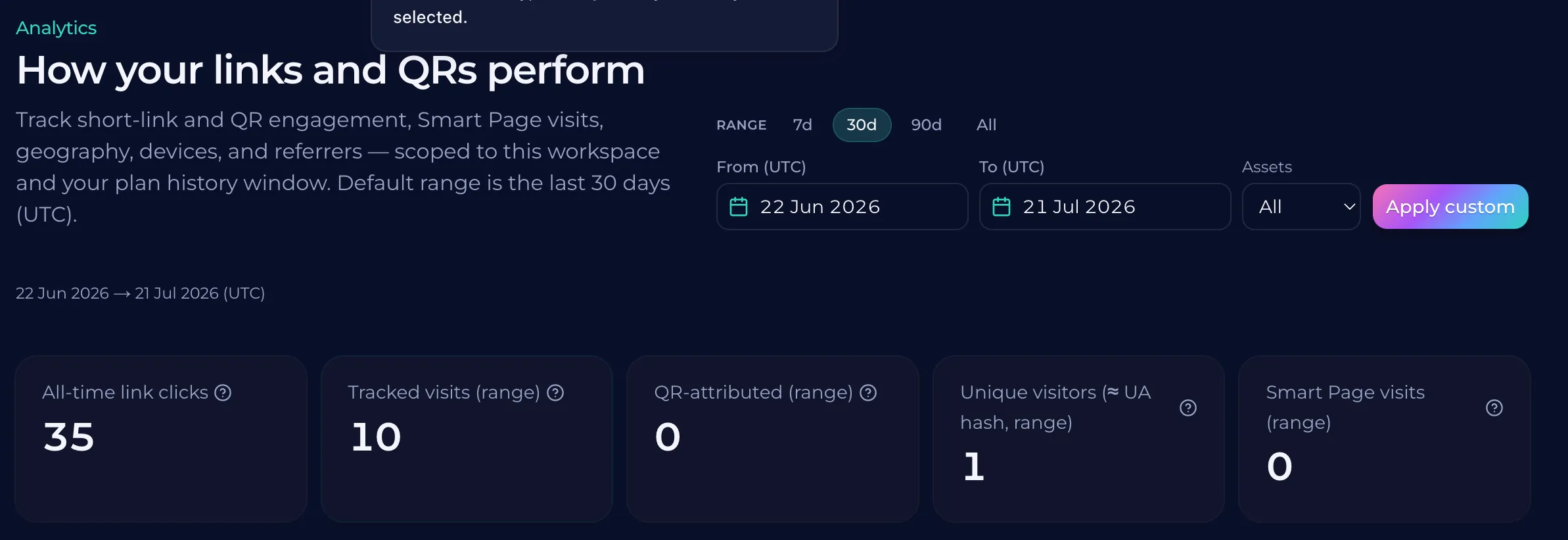
A printed flyer or a business card is often a black box. Using a unique QR code for each specific location or asset type allows you to see exactly which physical items are being scanned. By assigning different codes to different locations, you can determine if a flyer in a cafe is performing better than one at a local gym. This turns a single campaign into several smaller experiments. You can then identify where to spend more of your budget and where to offer less. QURL provides the tracking data for these scans. It records the volume, time, and device type of each scan. This information helps you decide which physical placements are driving traffic and which ones are just sitting on a counter.
Turning Print Materials into Data Points
A printed flyer or a business card is usually a dead end for data. Dynamic QR codes change this by creating a bridge between physical objects and digital records. Each scan becomes a measurable event that tells you which specific piece of paper is actually working.
Comparing Different Locations and Placements
A flyer in a local cafe might perform differently than one on a community board. Without unique codes for each spot, you cannot tell which location is driving traffic. You are left guessing whether your budget went to a high-traffic area or a dead zone. Assign a specific QR code to every physical location. This allows you to see exactly where scans occur and compare the performance of each site in real time. You can then decide where to double down on spend or pull back from locations that do not convert. By tracking these specific placements, you turn your print materials into an experiment. You can identify your most productive spots and optimize your marketing budget based on data rather than intuition.
Analyzing Scan Volume and Device Types
A high volume of scans on a specific flyer might indicate a strong interest in your product or service. A low number of scans from a company truck, but with many users on mobile devices, suggests that local residents are engaging with your content. These data points help you decide where to count your marketing spend and see what is working. Tracking the device type tells you which platform is best for your audience. If most people scan a code on a sign and find themselves on a desktop computer later, you might need to offer a different experience. Knowing these details helps you refine your digital presence based on real user behavior.
Choosing the Right Tool for Tracking
A static QR code is a dead end for data collection. It provides a scan count but does not allow you to change the destination link if the campaign details change or a promotion expires. You need a platform that allows you to update the destination while keeping the print remains constant. A dynamic QR code system like QURL works because it acts as a middleman. The physical code stays the same, but the backend links can be updated instantly. This ensures your printed materials stay useful even if you change your offer or fix a typo in the link. Beyond just tracking, these tools should provide clear data on scan volume over time and device types. Having this information helps you see when people are used to scanning your codes and from what devices they interact with your site. QURL provides these specific metrics to turn your offline scans into measurable results.
Common questions
- Can I track which flyer is performing best?
- You can track performance by using a unique QR code for each specific flyer or location. This allows you to see exactly how many scans occurred on flyer A versus flyer B, providing clear data on which placement is most effective.
- How do you measure the success of scale-based offline marketing?
- You can track success by assigning unique QR codes to different locations or materials. Each scan recorded by QURL provides data on volume, device type, and location, allowing you to see which specific placements are driving traffic.
- What information can a QR code provide about an offline scan?
- A dynamic QR code provides data on the number of scans, the type of device used, the approximate location of the scan, and the time it occurred. This allows you to see which physical placements are performing best.
- Is it possible to track offline marketing without a website link?
- Tracking offline marketing without a direct website link is possible by using dynamic QR codes. These codes allow you to see scan volume, device types, and rough locations, providing data on which physical placements are performing best.
Keep reading
- How to Prove Marketing ROI to a ClientLearn how to provide defensible data for offline marketing and track the specific impact of physical assets like flyers, posters, and signage.
- What a QR code scan actually tells you, and what it does notLearn exactly what data is captured during a QR code scan, including device type and location, and what personal information is never collected.
- QR Codes and UTM Parameters: How They Work TogetherLearn how QR codes bridge the gap between physical and digital marketing while UTM parameters provide specific tracking data for every click.