
Why a QR Code Should Land on an Editable Page
A dynamic link between your QR code and final destination allows you to update the URL without reprinting materials. This prevents waste when links break or change.

The risk of linking directly to a website
A printed QR code is a permanent physical asset. If that code points directly to a specific URL, you are locked into that destination forever. A typo in the link or a broken page on your site means every flyer, sticker, or sign becomes useless waste. A single mistake during the production phase can end a campaign. You cannot recall thousands of printed materials just because a web link changed. If the landing page is not flexible, you are forced to let people land on a dead end or an outdated offer.
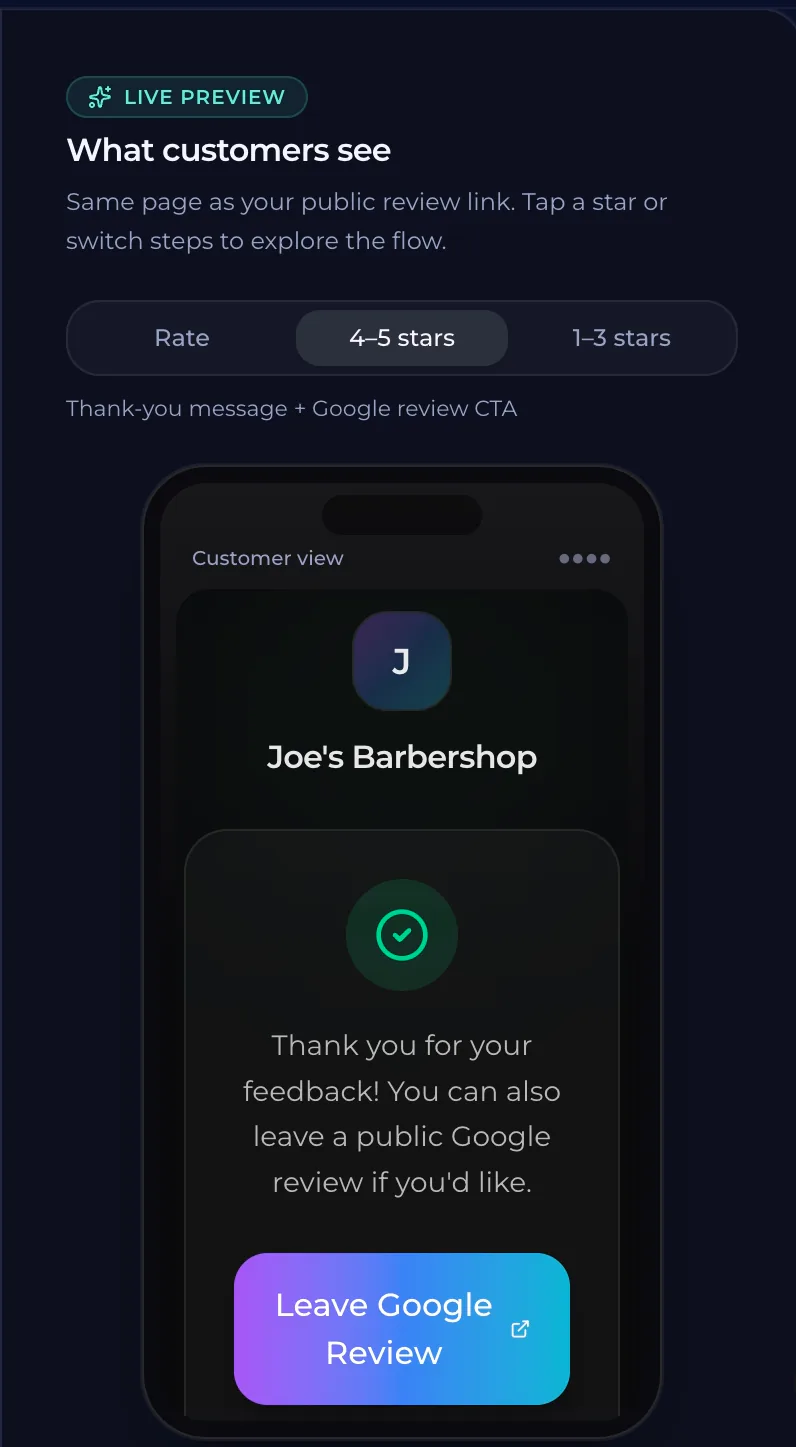
How a landing page acts as a buffer
A direct link to a website can be rigid. If you change your product page or move your content to a new URL, a static QR code becomes useless. It points to a dead end because the physical print is permanent. A Smart Page acts as an intermediary. Instead of pointing directly to a destination, the QR code leads to a landing page that you control. You can update the information on that page without ever changing the printed code. This buffer gives you room to move. If a promotion ends or a link breaks, you simply update the content on your Smart Page. The physical materials stay in circulation while you manage the changes behind the scenes.
Why editable pages are better for marketing
A static link is a dead end. If you want to change your offer or update a promotion, a direct link forces you to reprint every flyer and sign. An editable page acts as a buffer between the physical item and the digital destination. You can swap out links, add new buttons, or update information without touching the printed material. This gives you room to move when your marketing goals change. Marketing campaigns often have different phases. A landing page allows you to pivot quickly. You can point the same code to a seasonal sale, then to a specific event, or even just a update of details. The physical asset remains useful while the content stays current.
Managing multiple destinations from one code
A single QR code on a physical sign or flyer can reach different people with different needs. A customer at a booth might want to scan and see your products, while someone reading a flyer in a cafe might prefer to offer a discount code. Instead of printing two codes, you can use one code that leads to a landing page where they choose their path. Your marketing team can update the destination for specific segments without changing the physical assets. If a promotion ends and a survey is needed instead, you can swap the link behind the curtain. This keeps your printed materials in constant use while allowing you to adapt to different campaigns or seasons.
How QURL provides this dynamic link
QURL creates a dynamic link that sits between your QR code and the final destination. This means you can change where the scan leads without ever touching the printed material. If you need to update a promotion or fix a typo, you do it in the dashboard instead of reprinting flyers.
Common questions
- Can I change the destination of a QR code after it is printed?
- Yes, you can change the destination of a QR code after printing if you use dynamic QR codes. These codes point to a redirect link that allows you to update the destination URL without changing the image of the printed code.
- Why should I use a landing page instead of a direct link?
- A direct link ties your QR code to one specific destination forever. A landing page acts as a buffer, allowing you to change the underlying URL without reprinting materials and giving you more space to offer multiple options or information in one place.
- How does a dynamic QR code work?
- A dynamic QR code works by directing the scan to a short URL that you can change at any time. Because the physical code points to this intermediate link, you can update the destination page without ever needing to reprint your materials.
- Why do I need a smart page for my QR code?
- A smart page acts as an intermediary between your QR code and the final destination. It allows you to change the underlying link or add multiple destinations without ever needing to reprint your physical materials.
Keep reading
- How to Keep Opening Hours Updated EverywhereLearn how to use a single editable link to keep your business hours across print, web, and social media consistent.
- How to Build a Landing Page Without a DeveloperLearn how to create a functional landing page using no-code tools and smart links. This guide explains when a no-code solution is fits your needs and when a custom site is necessary.
- Better Link in Bio Alternatives for Small BusinessesLearn how a single editable link can serve as a central hub for both digital and physical marketing, replacing traditional link-in-bio tools.